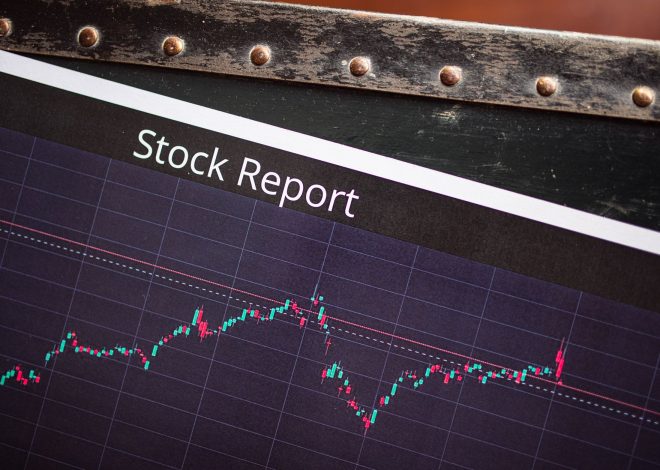
Stock Market Crash: Worst Day for Investors This Year
stock market crash today has resulted in a dramatic plunge of the Sensex by 1,484 points. This alarming drop has left investors reeling as they face substantial losses.
Understanding Today’s Stock Market Crash
Today, the stock market crash has left investors in shock as significant losses were recorded across major indices. The Sensex experienced a dramatic plunge of 1,484 points, while the Nifty fell below the crucial threshold of 25,350. This drastic downturn resulted in a staggering loss of over ₹5 lakh crore for investors.
Market analysts attribute this decline to several factors:
- Global Economic Concerns: Ongoing fears regarding inflation and interest rate hikes have shaken investor confidence.
- Poor Corporate Earnings: Many companies reported disappointing quarterly results, further fueling the sell-off.
- Geopolitical Tensions: Heightened geopolitical risks have led to increased volatility in the markets.
As the stock market crash unfolds, investors are advised to stay informed and consider their options carefully in these turbulent times.
Impact of the Sensex Plunge on Investors
The recent stock market crash has sent shockwaves through the financial community, leaving investors grappling with significant losses. The Sensex plunged by 1,484 points, marking the worst day for investors this year. This steep decline has resulted in a staggering loss of over ₹5 lakh crore in market capitalization, raising concerns about the broader economic implications.
Many investors are now reassessing their portfolios and investment strategies. The sudden drop has led to panic selling among retail investors, who fear further declines. Analysts suggest that this crash could lead to a prolonged period of volatility in the markets.
In light of these developments, it is crucial for investors to remain informed and consider long-term strategies rather than reacting impulsively to market fluctuations. Companies with strong fundamentals may prove to be more resilient in the wake of such turmoil.
Reasons Behind the Nifty’s Fall
The recent stock market crash has left investors reeling, and several key factors have contributed to the Nifty’s significant decline. Analysts highlight the following reasons:
- Global Economic Concerns: Rising inflation rates and tightening monetary policies across major economies have raised fears of a recession.
- Corporate Earnings Disappointment: Many companies reported lower-than-expected earnings, leading to reduced investor confidence.
- Geopolitical Tensions: Ongoing geopolitical issues have created uncertainty in the markets, prompting investors to pull back.
- Profit Booking: Following a prolonged rally, many investors chose to book profits, further exacerbating the market’s downward trend.
These factors combined have resulted in a tumultuous day for investors, marking one of the worst stock market crashes of the year.
Historical Context of Market Crashes
The history of the stock market is marked by several significant crashes that have shaped investor sentiment and economic policies. Notably, the stock market crash of 1929 triggered the Great Depression, leading to widespread financial devastation. Similarly, the dot-com bubble burst in 2000 saw tech stocks plummet, resulting in substantial losses for investors.
In recent years, market volatility has prompted concerns about potential crashes. The 2008 financial crisis, fueled by mortgage-backed securities, led to a global recession and highlighted the fragility of financial systems. As today’s stock market crash unfolds, it serves as a reminder of the cyclical nature of markets and the impact of economic events on investor confidence.
Understanding these historical contexts can provide insights into current market dynamics and the potential for recovery in the aftermath of significant downturns.
What Investors Should Do Now
In light of today’s stock market crash, investors must take decisive action to safeguard their portfolios. Here are some steps to consider:
- Assess Your Portfolio: Review your current investments and determine which assets are most affected by the plunge.
- Diversify Holdings: Consider reallocating funds to more stable sectors or asset classes to mitigate risk.
- Stay Informed: Keep up with market news and expert analysis to make informed decisions.
- Avoid Panic Selling: Reacting hastily can lead to further losses; evaluate your strategy calmly.
- Consult a Financial Advisor: Professional guidance can provide personalized strategies tailored to your financial goals.
By taking these steps, investors can navigate the fallout from this stock market crash and position themselves for future recovery.
Future Outlook for the Stock Market
As investors grapple with the fallout from today’s stock market crash, analysts are cautiously evaluating the future outlook for the markets. While the immediate reaction has been one of panic, there are signs that the downturn may not last long.
Experts suggest that the fundamentals of the economy remain strong, which could support a rebound. Key factors to watch include:
- Monetary Policy Changes: Central banks may adjust interest rates to stabilize markets.
- Corporate Earnings: Upcoming earnings reports will provide insight into company health.
- Global Economic Trends: International market stability will play a crucial role in recovery.
Ultimately, while the stock market crash has caused significant concern, there is hope that strategic investments and a focus on long-term growth can help investors recover their losses.
By mudpig via Openverse
References
Related reading

Related Posts
Micron Stock Analysis: Worst Close Since May Reveals Risks

Weak Rupee Impact: Sensex and Nifty Snap Rally