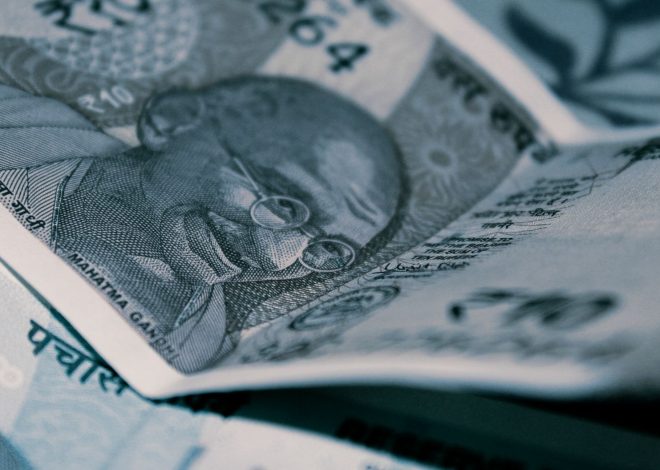
Rupee rise falters: Clear signs of market instability
Rupee rise falters as it struggles to maintain strength beyond 95/USD due to importer hedging and capital outflows. This development raises concerns about currency stability in India.
Current State of the Rupee
The recent trajectory of the Indian Rupee has shown some promise, but the rupee rise falters as it struggles to maintain momentum beyond the 95/USD mark. Various factors have contributed to this situation, leading to concerns among market analysts and stakeholders.
One of the primary reasons for the current volatility is increased importer hedging. Importers are taking measures to safeguard against fluctuations, which has resulted in significant dollar demand. This demand pressures the rupee, hindering its ability to strengthen further.
Additionally, capital outflows have compounded the issue, as foreign investors respond to shifting global economic conditions. The combined effect of these elements has created an atmosphere of uncertainty in the currency markets.
Market experts suggest that without a clear resolution to these challenges, the rupee may continue to experience instability in the near term. Investors are advised to stay vigilant and monitor developments closely, as the outlook for the rupee remains uncertain amidst these ongoing pressures.
Factors Influencing the Rupee
The recent fluctuations in the rupee’s value have raised concerns among economists and investors alike. Several factors are influencing the rupee’s performance, leading to the observation that the rupee rise falters amid growing market instability.
- Importer Hedging: Many importers are resorting to hedging strategies to protect against currency fluctuations. This increased demand for foreign currency has put additional pressure on the rupee, limiting its ability to sustain gains.
- Capital Outflows: Foreign investors are becoming cautious, leading to a rise in capital outflows. As funds move out of the country, the rupee experiences downward pressure, undermining its recent strength.
- Global Economic Concerns: Ongoing geopolitical tensions and uncertainty in global markets are causing investors to seek safe-haven assets. This shift can adversely affect emerging markets like India, contributing to the rupee’s instability.
- Interest Rate Changes: Anticipated changes in interest rates by major central banks can influence investor sentiment, further complicating the rupee’s trajectory.
These interconnected factors highlight the challenges facing the rupee and suggest that the recent rise may not be sustainable in the current economic climate.
Market Reactions to Currency Changes
Market reactions to the recent fluctuations in the rupee have been mixed, as the currency rise falters amid increasing volatility. While some investors initially welcomed the strengthening of the rupee, concerns have begun to surface regarding its sustainability.
Several factors are contributing to the cautious sentiment among traders:
- Importer Hedging: Companies engaged in importing goods have ramped up their hedging activities, leading to increased demand for foreign currency.
- Capital Outflows: There has been a noticeable trend of capital outflows, as foreign investors reevaluate their positions in light of global economic uncertainties.
- Market Sentiment: Despite the initial optimism, the recent price adjustments have led to a more cautious approach from traders, who are now waiting for clearer signals from the market.
- Economic Indicators: Key economic indicators are being closely monitored, as any negative reports could further impact the rupee’s stability.
As the rupee rise falters, market participants remain vigilant, aware that any sudden shifts could lead to broader implications for the economy.
Future Outlook for the Rupee
The future outlook for the rupee appears uncertain as recent trends indicate that its rise falters. Analysts suggest that while the rupee initially showed promise against the dollar, several factors could hinder its continued appreciation.
Key considerations for the rupee’s trajectory include:
- Inflation Rates: Persistent inflation could pressure the currency, reducing its appeal to investors.
- Import Demand: Increased hedging by importers has led to higher demand for dollars, impacting the rupee negatively.
- Foreign Outflows: Continued capital outflows may weaken confidence in the currency, further contributing to volatility.
- Global Economic Conditions: Any shifts in global markets or trade policies could have direct implications for the rupee.
As these factors unfold, the market’s response will be crucial in determining whether the rupee can regain its momentum or if the current signs of instability will lead to a more sustained decline. Investors are advised to remain cautious as the landscape evolves.
The recent fluctuations in global markets indicate that the Rupee rise falters, raising concerns among investors. As economic indicators shift, the Rupee rise falters may lead to increased volatility in exchange rates.
Photo by Ravi Roshan on Pexels
Where this came from