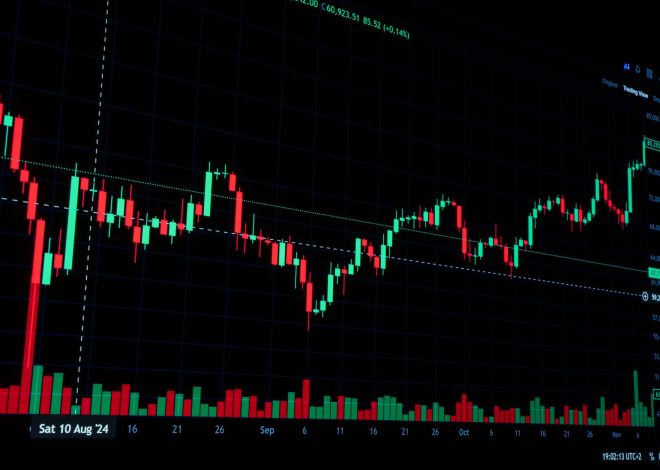
Nifty 52-week low: Worst Market Crash with Clear Insights
Nifty 52-week low has triggered a significant downturn in the markets, with the Sensex crashing over 1,000 points. Investors are now seeking clarity on the implications of this decline.
Market Overview and Recent Trends
The recent downturn in the Indian stock market has raised alarm among investors, as the Nifty 52-week low has been reached amid significant volatility. Market analysts are closely monitoring the situation, which has seen the Sensex crashing over 1,000 points in a single trading session. This dramatic decline reflects broader economic concerns and investor sentiment.
Key factors contributing to this market crash include:
- Global Economic Uncertainty: Ongoing geopolitical tensions and inflationary pressures have affected market confidence worldwide.
- Rising Interest Rates: Central banks globally are tightening monetary policy, which could slow economic growth and impact corporate earnings.
- Sector-Specific Weakness: Certain sectors, such as technology and finance, have faced significant sell-offs as investors reassess valuations.
As the Nifty hits its 52-week low, analysts urge caution and recommend a long-term perspective for investors. While short-term fluctuations may seem alarming, some experts believe that opportunities may arise for those willing to navigate the current market landscape. Understanding the underlying factors driving these trends is crucial for making informed investment decisions.
Impact of Nifty’s 52-week Low
The recent plunge in the Nifty index to its 52-week low has raised alarm bells among investors and market analysts alike. This sharp decline, alongside the Sensex crashing over 1,000 points, indicates a significant shift in market sentiment.
Several factors have contributed to this downturn:
- Global Economic Concerns: Heightened fears of a global recession have caused investors to retreat from riskier assets.
- Rising Inflation: Persistent inflationary pressures have led to tighter monetary policies, impacting market liquidity.
- Geopolitical Tensions: Ongoing conflicts and uncertainties in various regions have further complicated the investment landscape.
- Corporate Earnings: Disappointing earnings reports from key sectors have fueled pessimism, leading to sell-offs.
As the market struggles with this significant correction, many are questioning the sustainability of recent gains. Analysts urge investors to remain cautious, noting that while the Nifty’s 52-week low presents potential buying opportunities, it also highlights the volatility and unpredictability of current market conditions.
In conclusion, understanding the implications of this downturn is crucial for making informed investment decisions in these turbulent times.
Understanding the Sensex Crash
The recent downturn in the Indian stock market, highlighted by the Nifty 52-week low, has raised concerns among investors and analysts alike. The Sensex experienced a severe crash, plummeting over 1,000 points in a single trading session, which marks one of the most alarming declines in recent history.
Several factors contributed to this significant market movement:
- Global Economic Concerns: Investors are increasingly worried about rising inflation rates and slowing growth in major economies, impacting market sentiment.
- Domestic Challenges: Local issues such as regulatory changes and corporate earnings disappointments have added to the market’s volatility.
- Foreign Institutional Investment: A sharp increase in foreign portfolio outflows has further exacerbated the situation, leading to a lack of confidence among domestic investors.
As the market grapples with these challenges, the Nifty’s 52-week low serves as a critical indicator of investor sentiment and market stability. Analysts suggest that understanding the underlying causes of this crash is essential for navigating the uncertain landscape ahead. Investors are advised to remain cautious and consider long-term strategies amidst the current turmoil.
What Investors Should Know Now
As investors navigate the current turbulence in the market, it is crucial to understand the implications of the Nifty 52-week low. This significant downturn reflects broader economic challenges that may affect investment strategies.
Here are key points investors should consider:
- Market Sentiment: The prevailing sentiment can heavily influence stock prices. A Nifty 52-week low often leads to increased volatility, prompting investors to reassess their portfolios.
- Long-term vs. Short-term: While short-term fluctuations can be alarming, long-term investors may find opportunities in undervalued stocks that arise from market panic.
- Diversification is Key: Investors should ensure their portfolios are diversified across various sectors to mitigate risks associated with market downturns.
- Stay Informed: Keeping abreast of market news and economic indicators is essential. Knowing the factors driving the Nifty’s performance can help in making informed decisions.
- Seek Professional Advice: Consulting with financial advisors can provide personalized strategies tailored to individual risk tolerance and investment goals.
Understanding these aspects will enable investors to navigate the current market landscape more effectively.
The recent plunge in the stock market has led many investors to reevaluate their strategies, especially in light of the Nifty 52-week low. Understanding the implications of reaching a Nifty 52-week low can provide valuable insights into future market trends.
Photo by Rajnish Vishwakarma on Pexels
References
Related stories