KOSPI Nikkei Crash: Worst AI Selloff Impacting Markets
KOSPI Nikkei crash has sent shockwaves through the global markets, with significant declines in major indices. Investors are now grappling with the fallout from this AI-driven selloff.
Understanding the KOSPI Nikkei Crash
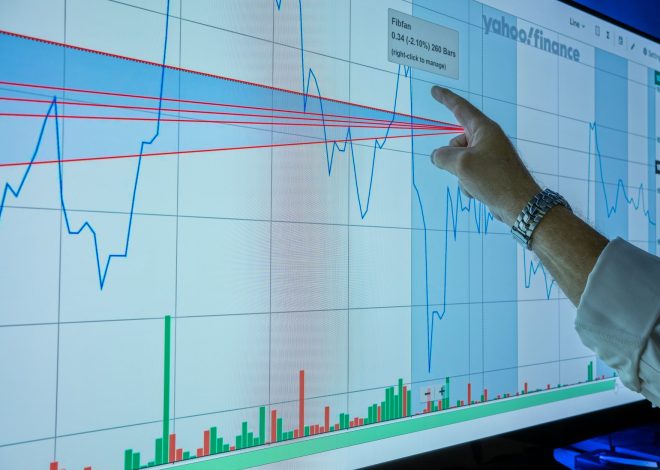
The recent market turmoil has been marked by a significant KOSPI Nikkei crash, with both indices experiencing steep declines. The KOSPI fell nearly 5%, while the Nikkei suffered a more severe drop of over 4%. This drastic shift has raised concerns among investors and analysts alike, prompting discussions about the underlying factors contributing to this downturn.
Several elements have played a role in this selloff, particularly the rapid changes in the technology sector, which are heavily influenced by advancements in artificial intelligence (AI). As companies reassess their valuations in light of these developments, the market has reacted swiftly, leading to widespread panic selling.
Key factors behind the crash include:
- AI Overvaluation: Many tech stocks saw inflated valuations based on speculative AI growth, and reality has begun to set in.
- Global Economic Concerns: Investors are wary of rising inflation and potential interest rate hikes, which have contributed to market instability.
- Geopolitical Tensions: Ongoing geopolitical issues have added uncertainty, leading to a cautious approach among traders.
As the Hang Seng index nears bear market territory, the impact of the KOSPI Nikkei crash is felt not only in Asia but across global markets, prompting investors to reconsider their strategies in this volatile environment.
The Role of AI in Market Fluctuations
The recent KOSPI Nikkei crash has raised significant concerns regarding the influence of artificial intelligence (AI) on financial markets. As technology continues to evolve, its integration into trading systems has reshaped the landscape of market fluctuations in unprecedented ways.
AI algorithms, designed to analyze vast amounts of data quickly, often make trading decisions in milliseconds. This capability can lead to rapid buy or sell orders, which, when triggered by market volatility or news events, can amplify price movements. The current selloff has illustrated how sensitive these systems are to shifts in market sentiment, particularly in response to economic indicators or geopolitical tensions.
Analysts have noted several key factors regarding AI’s role in the current market conditions:
- Speed of Reaction: AI systems can react to market changes faster than human traders, leading to immediate and sometimes excessive selloffs.
- Algorithmic Trading: Many institutional investors rely on AI-driven strategies, which can lead to herd behavior during downturns, as seen in the recent KOSPI Nikkei crash.
- Lack of Human Oversight: The reliance on AI may reduce the level of human judgment in trading decisions, potentially exacerbating market declines.
As the AI selloff deepens, investors are urged to consider the long-term implications of such technology on market stability and the potential for future crashes.
Investor Reactions to the Market Decline
As the KOSPI and Nikkei indices experience significant declines, investor reactions are varied and telling. The recent selloff, driven primarily by fears surrounding artificial intelligence investments, has left many market participants anxious about the future.
Many investors are expressing their concerns through social media platforms and financial forums. Some have taken to sharing their strategies for navigating the current market turmoil, while others voice their frustration and uncertainty. A few common themes have emerged among the discussions:
- Fear of Further Declines: Many investors worry that the KOSPI Nikkei crash is just the beginning of a more severe downturn. They are closely monitoring economic indicators and corporate earnings reports for signs of stabilization.
- Opportunistic Buying: Conversely, some investors are viewing the selloff as an opportunity to buy stocks at lower prices. They believe that the long-term potential of many companies remains intact despite the recent turbulence.
- Shift to Safe Investments: A notable trend is the movement towards safer assets, such as government bonds and gold, as investors seek to protect their portfolios from the ongoing volatility.
Overall, the KOSPI Nikkei crash has ignited a wave of reactions among investors, reflecting a mix of anxiety and strategic adaptation as they navigate this uncertain economic landscape.
What to Expect from Hang Seng’s Bear Market
The recent downturn in the KOSPI and Nikkei has left many investors concerned about the potential for further declines across Asian markets. In particular, the Hang Seng Index is nearing bear market territory, raising questions about the overall stability of the region’s financial landscape.
As the KOSPI Nikkei crash continues to unfold, analysts suggest several factors that could shape the Hang Seng’s trajectory in the near term:
- Global Economic Indicators: Investors are closely monitoring international economic data, particularly from the U.S. and Europe, which could provide insights into the potential for recovery or further declines.
- Central Bank Policies: The responses from central banks in the region will be critical. Any changes in monetary policy aimed at stabilizing markets could influence investor sentiment and market performance.
- Corporate Earnings Reports: Upcoming earnings announcements will be pivotal. Companies that report stronger-than-expected results may provide a glimmer of hope amidst the prevailing negativity.
- Investor Sentiment: The psychological impact of the KOSPI Nikkei crash cannot be underestimated. Fear and uncertainty can lead to panic selling, further exacerbating the downturn.
In conclusion, as the Hang Seng nears a bear market, investors should remain vigilant and adaptable, keeping a close eye on both local and global developments that could influence market conditions in the coming weeks.
Future Outlook for Asian Stock Markets
The recent KOSPI Nikkei crash has left investors and analysts pondering the future outlook for Asian stock markets. As volatility continues to grip the region, market participants are keenly observing various economic indicators and geopolitical developments that could influence recovery.
Many experts believe that the recent downturn might present a buying opportunity for long-term investors. Several factors could contribute to a rebound:
- Economic Stimulus: Governments in Asia may consider implementing additional fiscal stimulus measures to bolster economic growth.
- Global Recovery: As major economies recover from the pandemic, demand for exports from Asian countries could rise, potentially stabilizing markets.
- Corporate Earnings: Investors will closely monitor upcoming earnings reports, which could provide insights into how companies are adapting to the changing landscape.
- Technological Advancements: Continued innovation in technology sectors may help restore investor confidence and drive market performance.
While the KOSPI Nikkei crash has raised concerns about the future, it has also highlighted the resilience of Asian markets. If managed correctly, the current crisis could lead to a more robust and diversified investment environment.
Overall, the outlook remains uncertain, but many believe that strategic investment decisions could pave the way for recovery in the coming months.
Photo by Guohua Song on Pexels
References
You might also like