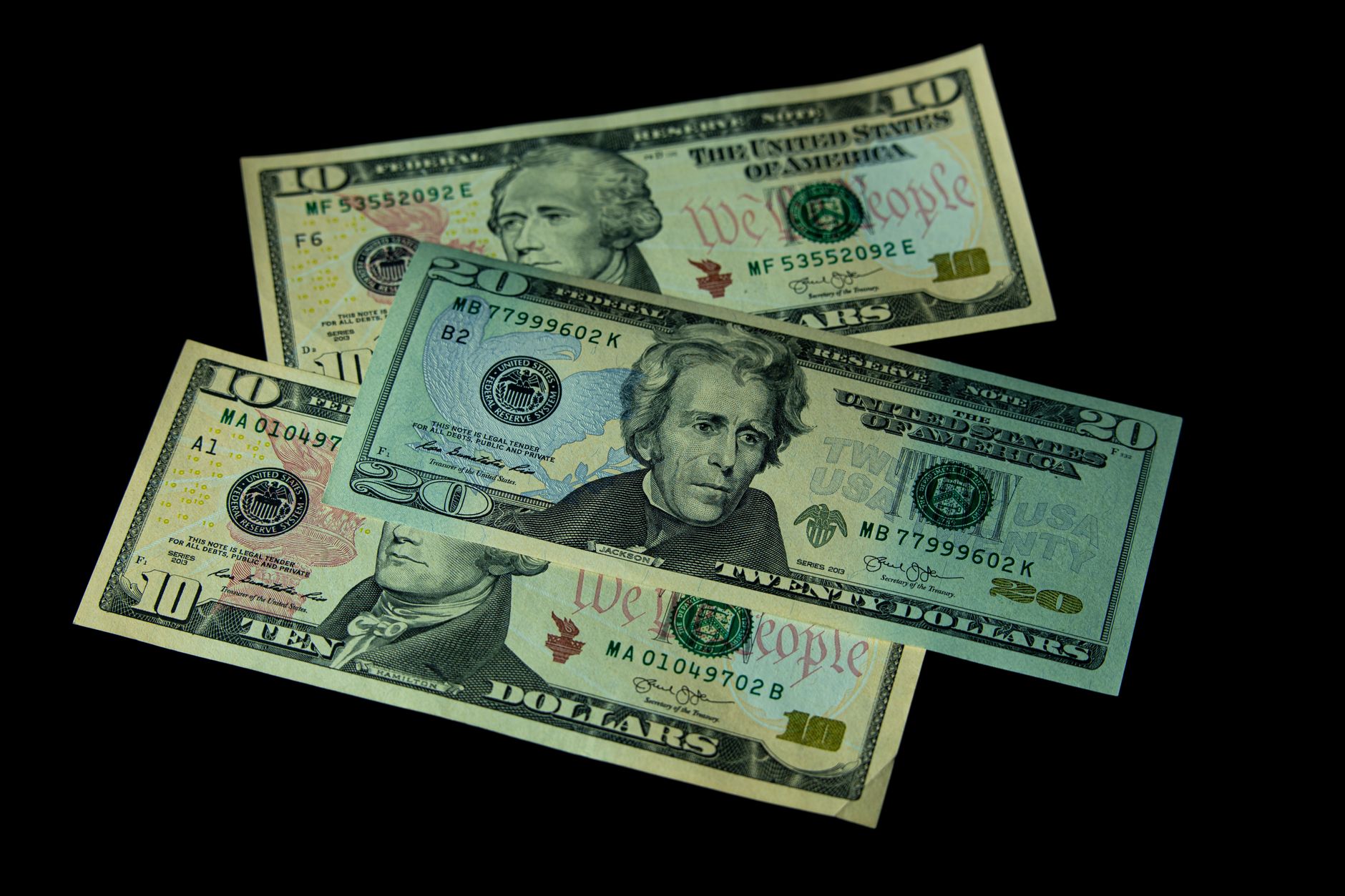
Hawkish Fed Dollar Boosts Value with Proven Strategies
The hawkish Fed dollar has reached a seven-week high, driven by recent monetary policy decisions. As the market turns its attention to the Bank of Japan, analysts are keen to see how these developments will unfold.
Understanding the Hawkish Fed’s Impact
The recent decisions made by the Federal Reserve have sparked significant movements in the financial markets, particularly impacting the strength of the dollar. A hawkish Fed, characterized by a tendency to favor higher interest rates to combat inflation, has demonstrated a clear influence on currency values. As the Fed continues to signal its commitment to maintaining a robust monetary policy, investors are reacting positively, driving the dollar to a seven-week high.
Several factors contribute to the hawkish Fed dollar’s rise:
- Interest Rate Adjustments: The Fed’s inclination to increase rates enhances the appeal of dollar-denominated assets, attracting foreign capital.
- Economic Indicators: Strong economic data, including rising employment figures and robust consumer spending, lend support to the Fed’s hawkish stance.
- Market Sentiment: Investor confidence in the Fed’s approach fosters a bullish environment for the dollar, as traders anticipate further rate hikes.
As focus shifts towards other central banks, such as the Bank of Japan (BOJ), the hawkish Fed dollar’s strength may influence global currency dynamics. Currency traders and investors must stay alert to these developments, as they will determine the dollar’s trajectory in the coming weeks and months.
Current State of the US Dollar
The current state of the US dollar reflects a significant increase in value, driven largely by the hawkish Fed’s monetary policies. As the Federal Reserve implements a more aggressive stance on interest rates, the dollar has risen to a seven-week high, showcasing the effectiveness of these strategies in strengthening the currency.
Key factors contributing to this robust performance include:
- Interest Rate Hikes: The Fed’s decision to raise interest rates has made dollar-denominated assets more attractive to investors.
- Inflation Control: A hawkish Fed signals a commitment to controlling inflation, which bolsters confidence in the dollar’s value.
- Global Market Reactions: As other central banks, such as the Bank of Japan (BOJ), face their own challenges, the US dollar benefits from a relative strength compared to other currencies.
Market analysts believe that the ongoing hawkish Fed dollar strategy will not only enhance the currency’s stability but also impact global trade dynamics. As investors closely monitor the Fed’s actions, the dollar’s rise presents both opportunities and challenges in the international market landscape.
Overall, the hawkish Fed’s approach continues to play a pivotal role in shaping the current state of the US dollar, drawing attention from traders and economists alike.
Market Reactions to Fed Policies
The recent hawkish stance of the Federal Reserve has significantly influenced market dynamics, leading to an uptick in the value of the US dollar. Investors and analysts closely monitor the Fed’s policy decisions, as these have a profound impact on global currency markets.
In response to the Fed’s aggressive interest rate hikes, the dollar surged to a seven-week high, reflecting increased investor confidence in the US economy. This rise can be attributed to several factors:
- Interest Rate Expectations: The anticipation of further rate increases from the Fed has led to a stronger dollar as investors seek higher returns.
- Economic Data Releases: Positive economic indicators, such as robust job growth and inflation metrics, have bolstered confidence in the dollar’s strength.
- Global Market Sentiment: A hawkish Fed has shifted investor focus away from other currencies, particularly as central banks like the Bank of Japan maintain more accommodative policies.
As the Fed continues to adopt a hawkish approach, the dollar is expected to maintain its upward trajectory. Market participants are keenly observing how these policies will unfold in the coming weeks, particularly with potential implications for international trade and investment strategies.
What to Expect from the BOJ
The Bank of Japan (BOJ) faces critical decisions in the wake of the hawkish Fed dollar’s recent surge. As the Federal Reserve tightens its monetary policy, the resultant strengthening of the dollar could influence the BOJ’s strategies in maintaining its own economic stability. Analysts predict that the BOJ may consider adjustments to its longstanding ultra-loose monetary policy.
Market participants are particularly focused on several key areas:
- Interest Rates: The BOJ’s current negative interest rate policy has been in place since 2016. With the hawkish Fed driving rates higher in the U.S., there are increasing pressures for the BOJ to normalize its rates.
- Inflation Targets: The BOJ has struggled to achieve its inflation target of 2%. As the dollar strengthens, import prices could rise, impacting inflation metrics that the BOJ monitors closely.
- Currency Intervention: Should the yen weaken significantly against the strong dollar, the BOJ might resort to interventions to stabilize its currency.
In summary, the BOJ’s response to the hawkish Fed dollar will be pivotal in shaping Japan’s economic landscape, and stakeholders will be closely watching for any signals of policy shifts in the coming weeks.
Comparing Global Currency Trends
As the hawkish Fed dollar strengthens, currency trends around the globe are shifting. Investors and analysts are closely monitoring how central banks are responding to the Federal Reserve’s assertive monetary policy, which has seemingly set a new benchmark for other economies.
Several key currencies are experiencing notable fluctuations in response to the Fed’s stance:
- Euro: The euro has weakened against the dollar, as the European Central Bank (ECB) grapples with inflation concerns and slower growth, making it less competitive in the global market.
- Japanese Yen: With the Bank of Japan’s (BOJ) continued commitment to ultra-loose monetary policy, the yen has fallen significantly against the hawkish Fed dollar, prompting discussions about potential interventions.
- Pound Sterling: The British pound has also come under pressure as the Bank of England seeks to balance growth and inflation, leading to further divergence from the Fed’s tightening path.
This scenario highlights the growing disparity between the US dollar’s fortitude and the vulnerabilities of other major currencies. As the hawkish Fed dollar continues to rise, it raises questions about the long-term implications for global trade and economic stability.
Analysts’ Predictions for the Dollar
Analysts are increasingly optimistic about the prospects for the dollar, driven by the hawkish Fed dollar policy which has recently propelled its value to a seven-week high. Many experts believe that the Federal Reserve’s commitment to tightening monetary policy will continue to strengthen the currency against its global counterparts.
- Increased Interest Rates: With the Fed signaling potential rate hikes, analysts foresee a more attractive yield for dollar-denominated assets, drawing international investors.
- Economic Indicators: Recent economic data, including employment figures and inflation rates, support a hawkish stance, suggesting the Fed will maintain its aggressive approach.
- Global Market Dynamics: As central banks worldwide respond to inflationary pressures, the dollar may benefit from relative strength, especially if other economies lag behind in tightening policies.
Several analysts predict that the hawkish Fed dollar could see further gains if the economy continues on its current trajectory. “The Fed’s unwavering focus on combating inflation is likely to sustain the dollar’s upward momentum,” said one leading economist. With geopolitical tensions and energy prices fluctuating, the dollar is poised to attract safe-haven flows.
Overall, the consensus among analysts is that the hawkish Fed dollar strategy will reinforce its position, making it a compelling choice for investors in the coming months.
Investing Strategies Amid Currency Fluctuations
As the hawkish Fed continues to influence the financial landscape, investors are seeking effective strategies to navigate currency fluctuations. The strengthening of the dollar has prompted market participants to reevaluate their portfolios and investment approaches.
To capitalize on the current situation, consider the following strategies:
- Diversification: Spreading investments across different asset classes can help mitigate risks associated with currency volatility. Including foreign equities or commodities can provide a hedge against a fluctuating dollar.
- Currency ETFs: Exchange-traded funds that focus on foreign currencies can be a practical way to gain exposure to international markets without the complexities of direct currency trading.
- Short Selling: For experienced investors, short selling currencies expected to weaken against the hawkish Fed dollar can be a lucrative strategy, particularly in times of anticipated interest rate hikes.
- Bond Investments: With rising interest rates, long-term bonds may lose value, but short-term bonds can provide better yields. Investors should consider allocating funds to these securities to benefit from the current economic environment.
By adopting these strategies, investors can position themselves advantageously amid the unpredictable shifts caused by the hawkish Fed dollar, ensuring their portfolios remain resilient in the face of ongoing market changes.
The Future of Monetary Policy
The future of monetary policy in the United States remains a topic of intense discussion among economists and market participants. As the hawkish Fed dollar continues to gain strength, it is essential to consider how upcoming decisions may affect global markets.
Many analysts predict that the Federal Reserve will maintain its current stance, focusing on combating inflation and ensuring economic stability. This approach has already led to significant appreciation of the dollar, which has reached a seven-week high.
Looking forward, several key factors will influence future monetary policy:
- Inflation Rates: The Fed’s determination to keep inflation in check will likely dictate its future interest rate decisions.
- Employment Data: Strong job growth may reinforce the Fed’s hawkish approach, while any signs of weakness could prompt a reassessment.
- Global Economic Conditions: Developments in major economies, particularly in the Eurozone and Asia, will also play a crucial role in shaping Fed policies.
- Market Sentiment: Investors’ reactions to Fed announcements and economic indicators will influence currency values.
In this environment, the hawkish Fed dollar not only reflects domestic economic conditions but also impacts international trade dynamics, making it a focal point for investors and policymakers alike.
Photo by Sergei Starostin on Pexels
Sources
You might also like