Stock Market Crash: What Are the Real Causes Behind It?
The stock market crash has left many investors anxious about their portfolios. Understanding the stock market crash is crucial to making informed decisions in these turbulent times.
Understanding the Current Market Trends
As the stock market crash unfolds, investors are grappling with a multitude of factors contributing to the current turbulence. Understanding these market trends is essential for navigating the turbulent waters ahead.
Several key fears have emerged that are driving the massive sell-off in markets such as Sensex and Nifty:
- Economic Slowdown: Concerns about slowing economic growth have investors worried about future corporate earnings.
- Inflation Pressures: Rising inflation rates are eroding purchasing power and increasing costs for businesses.
- Interest Rate Hikes: Central banks are tightening monetary policy, leading to fears of reduced liquidity in the markets.
- Global Uncertainty: Geopolitical tensions and supply chain disruptions are adding to market volatility.
- Investor Sentiment: Negative sentiment can quickly trigger panic selling, exacerbating the stock market crash.
Overall, these factors create a challenging environment for investors, prompting many to reconsider their strategies in the face of uncertainty.
Key Factors Behind the Sell-Off
The recent stock market crash has left investors anxious and seeking answers. Several key factors have contributed to the dramatic sell-off, highlighting the fragility of the current economic environment.
- Interest Rate Hikes: Central banks have been aggressively raising interest rates to combat inflation, leading to increased borrowing costs for businesses and consumers.
- Global Economic Slowdown: Concerns about a potential recession in major economies have created uncertainty, driving investors to withdraw from the market.
- Geopolitical Tensions: Ongoing conflicts and trade disputes have heightened fears, prompting a risk-averse approach among investors.
- Corporate Earnings Disappointments: Many companies have reported lower-than-expected earnings, leading to reduced confidence in future growth.
- Market Speculation: The rapid rise in stock prices prior to the crash may have led to overvaluation, making the market susceptible to corrections.
Understanding these factors is essential for navigating the complexities of the stock market crash and its aftermath.
Impact on Investors and Future Outlook
The recent stock market crash has left many investors reeling, prompting them to reassess their strategies and risk tolerance. As valuations plummet, the immediate impact on portfolios can be alarming, with many experiencing significant losses. However, it is essential to maintain perspective during such turbulent times.
Investors are advised to consider the long-term implications of this downturn. Some analysts suggest that market corrections can create opportunities for those willing to invest strategically. The current situation highlights the importance of a diversified portfolio and a focus on quality investments.
Looking ahead, experts predict a gradual recovery, but caution that volatility may persist. Key factors influencing the future outlook include:
- Economic Recovery: The pace at which the economy rebounds will significantly affect market sentiment.
- Interest Rates: Changes in monetary policy could either support or hinder market performance.
- Investor Sentiment: The psychological impact of the stock market crash will shape investor behavior moving forward.
In conclusion, while the stock market crash has created uncertainty, understanding its causes and potential outcomes can empower investors to make informed decisions.
Expert Opinions on Market Recovery
Experts are weighing in on the potential for recovery in the wake of the recent stock market crash, providing insights into the underlying causes and future implications. Many analysts emphasize that the market’s downturn is not merely a reaction to immediate economic pressures but is also influenced by broader systemic issues.
- Market Sentiment: Investor confidence has been shaken, leading to panic selling. Experts believe rebuilding trust will be crucial for recovery.
- Interest Rates: Rising interest rates are making borrowing more expensive, which can slow economic growth and impact corporate profits.
- Global Events: Geopolitical tensions and supply chain disruptions are contributing to uncertainty, further exacerbating the sell-off.
- Regulatory Changes: Potential changes in government policies could create additional volatility in the markets.
Despite these challenges, some experts remain optimistic, suggesting that historical trends indicate markets often rebound after significant downturns. The consensus is that a cautious but strategic approach will be necessary for investors navigating the aftermath of this stock market crash.
Historical Context of Market Crashes
The history of the stock market is marked by several significant crashes that have shaped the financial landscape. Understanding these events provides valuable context for the current situation. Major downturns often stem from a combination of economic, political, and social factors.
- The Great Depression (1929): Triggered by the stock market crash, it led to a decade of economic hardship.
- The Dot-Com Bubble (2000): Excessive speculation in internet stocks resulted in a dramatic market decline.
- The Financial Crisis (2008): Poor lending practices and high-risk mortgage-backed securities caused a global recession.
These historical events highlight that market crashes are often preceded by periods of rapid growth and speculation. Today, as we witness a stock market crash, it is essential to analyze the underlying causes, including investor sentiment, economic indicators, and global uncertainties. Each crash carries lessons that can inform future investor behavior and regulatory measures.
Ultimately, understanding the past can help investors navigate the complexities of today’s volatile market.
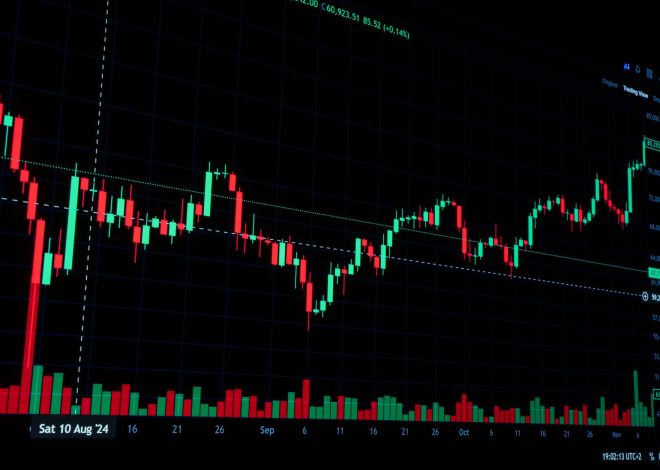
Photo by Leeloo The First on Pexels
References
Related reading