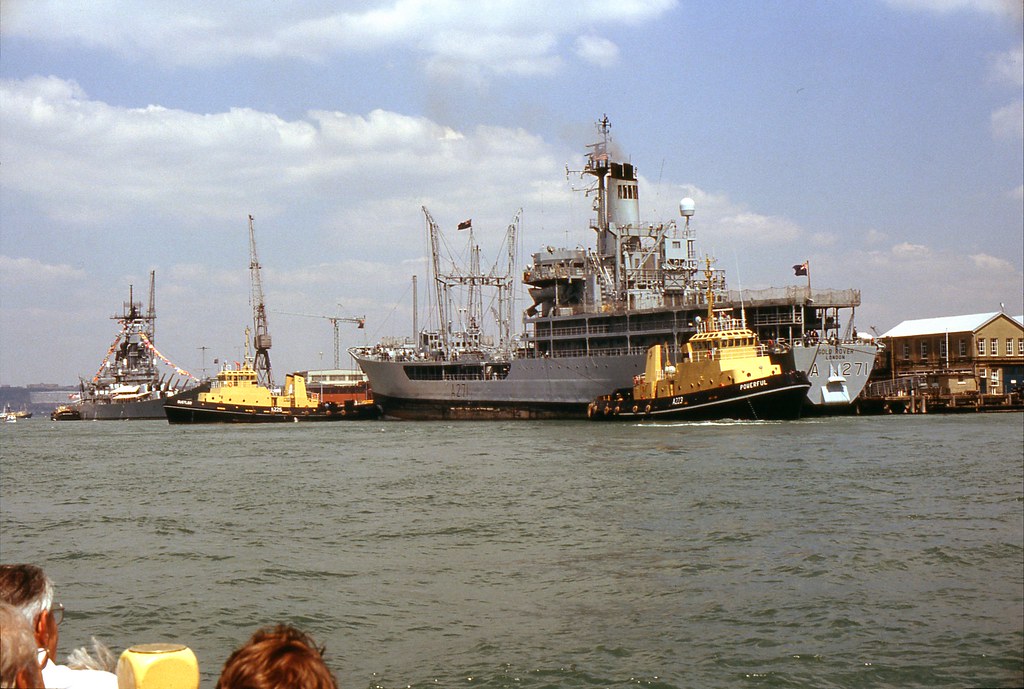
Ocean Freight Rates: Best Proven Strategies for Cargo Shifts
Ocean Freight Rates have surged, driving cargo route shifts in Brazil. This increase is reshaping the logistics landscape, impacting shipping costs and delivery times.
Understanding the Surge in Ocean Freight Rates
The recent surge in ocean freight rates has prompted significant changes in cargo routes, particularly in Brazil. As global demand for shipping services continues to escalate, businesses are grappling with increased costs and navigating complex logistics challenges. This unprecedented rise can be attributed to several key factors.
- Supply Chain Disruptions: Ongoing disruptions, including port congestion and labor shortages, have severely impacted shipping schedules. These issues have made it difficult for carriers to maintain consistent service levels, leading to higher freight rates.
- Increased Demand: The post-pandemic recovery has sparked a surge in consumer demand, resulting in heightened competition for available shipping capacity. As manufacturers struggle to keep pace, they are often willing to pay a premium for timely deliveries.
- Fuel Prices: Rising fuel costs have also contributed to the increase in ocean freight rates. Carriers are passing these expenses onto shippers, further inflating transportation costs.
- Geopolitical Tensions: Trade disputes and geopolitical instability can disrupt traditional shipping lanes, forcing companies to explore alternative routes that may not be as cost-effective.
As a result, businesses must adapt their strategies to mitigate the impact of fluctuating ocean freight rates and ensure their supply chains remain resilient amidst these changes.
Impact on Brazilian Cargo Routes
The recent surge in ocean freight rates has significantly impacted cargo routes in Brazil, prompting shippers to adapt their strategies to maintain efficiency and cost-effectiveness. As global demand for goods continues to rise, Brazilian exporters are facing unprecedented challenges in logistics and transportation.
One of the primary effects of elevated ocean freight rates is the re-evaluation of traditional shipping lanes. Shippers are now considering alternative routes that may offer lower costs despite longer transit times. This shift is particularly noticeable in the agricultural sector, where timely delivery is crucial.
- Increased competition: With higher rates, many smaller shipping companies have exited the market, leading to a consolidation of services among larger operators.
- Greater focus on efficiency: Businesses are investing in technology and data analytics to optimize their supply chains and minimize delays.
- Emergence of new partnerships: Collaborations between exporters and freight forwarders are becoming more common, allowing for better negotiation of ocean freight rates.
- Shift towards intermodal solutions: To counteract rising costs, shippers are increasingly looking at combining ocean freight with other transportation methods.
As Brazilian cargo routes continue to evolve, adapting to the changing landscape of ocean freight rates will be essential for maintaining competitiveness and ensuring timely delivery of goods.
Factors Driving Rate Increases
Several key factors are contributing to the recent increases in ocean freight rates, significantly impacting global trade dynamics.
- Supply Chain Disruptions: Ongoing global supply chain challenges, including port congestion and labor shortages, have resulted in longer transit times. This inefficiency drives up the costs associated with ocean freight rates.
- Fuel Prices: Rising fuel costs have a direct effect on shipping expenses. As fuel prices increase, shipping companies often pass these costs onto customers, leading to higher freight rates.
- Changes in Demand: The post-pandemic recovery has led to a surge in consumer demand for goods. This heightened demand has intensified competition for available shipping capacity, causing freight rates to rise.
- Trade Policies: Tariffs and trade restrictions imposed by various governments can also impact ocean freight rates. Increased regulatory barriers may lead to higher costs for shippers, further driving up rates.
- Seasonal Trends: Certain times of the year, particularly around holidays, typically see spikes in shipping demand. This seasonal surge can exacerbate the existing pressures on ocean freight rates.
Understanding these factors is crucial for stakeholders in the shipping and logistics industry as they navigate the complexities of freight management.
Logistics Strategies for Adapting
The recent surge in ocean freight rates has prompted logistics companies to rethink their strategies for cargo movement. Adapting to these changes is crucial for maintaining profitability and ensuring timely deliveries. Here are some effective logistics strategies that can aid in navigating the current landscape:
- Diversifying Shipping Routes: Exploring alternative routes can help mitigate the impact of rising rates. By assessing less congested paths, companies may find more cost-effective options.
- Negotiating Contracts: Building strong relationships with shipping lines can lead to better negotiation outcomes. Companies should aim to lock in favorable rates for longer periods to avoid sudden price spikes.
- Utilizing Technology: Implementing advanced logistics software can enhance visibility and tracking of shipments. This allows for real-time adjustments and better decision-making in response to fluctuating ocean freight rates.
- Consolidating Shipments: Combining smaller shipments into larger ones can reduce overall costs. This strategy maximizes container usage and minimizes the impact of increased freight charges.
- Investing in Local Warehousing: Establishing local warehouses can reduce the need for lengthy shipping times, ultimately lowering costs associated with high ocean freight rates.
By embracing these strategies, companies can successfully adapt to the evolving logistics landscape and ensure efficient cargo shifts in response to rising ocean freight rates.
Future Predictions for Ocean Freight
As the logistics industry continues to adapt to the fluctuating market, future predictions for ocean freight rates suggest a landscape marked by both challenges and opportunities. Analysts indicate that while current rates have surged, they may stabilize as global supply chains adjust to new norms.
Several factors are expected to influence ocean freight rates in the coming years:
- Technological Advances: Increased efficiency through automation and digitalization may lead to reduced operational costs, potentially lowering rates.
- Environmental Regulations: Stricter emissions standards could impact shipping costs, compelling companies to invest in greener technologies.
- Market Demand: The ongoing fluctuations in consumer demand will play a crucial role. As economies recover post-pandemic, a surge in demand for goods could lead to renewed price increases.
- Geopolitical Factors: Trade agreements and international relations can significantly affect shipping routes and rates, as seen in recent developments.
Furthermore, shipping companies will need to navigate the complexities of fluctuating fuel prices and port congestion. The interplay of these elements will shape the future of ocean freight rates and ultimately determine how companies manage their logistics strategies.
Key Players in the Shipping Industry
The shipping industry is characterized by several key players who significantly influence ocean freight rates and the overall dynamics of cargo transport. Understanding these entities is essential for businesses looking to navigate the complexities of international shipping.
- Shipping Lines: Major shipping lines like Maersk, MSC, and CMA CGM dominate the market, setting trends in freight pricing and service availability. Their capacity management and fleet utilization play a crucial role in determining ocean freight rates.
- Freight Forwarders: Freight forwarders act as intermediaries between shippers and carriers, helping businesses find the most cost-effective shipping solutions. They provide insights into current rate trends and can negotiate better terms based on their relationships with shipping lines.
- Port Authorities: Port authorities manage the logistics at ports, influencing the efficiency of cargo handling and turnaround times. Their operational decisions can impact shipping costs and, consequently, ocean freight rates.
- Regulatory Bodies: Government agencies and international organizations regulate maritime trade, affecting shipping practices and costs. Compliance with regulations can influence freight rates and operational procedures.
As businesses adapt to the fluctuating landscape of ocean freight rates, understanding the roles of these key players becomes increasingly vital for optimizing cargo strategies.
By Sir Hectimere via Openverse
Read the original
Related stories